Expandable platform
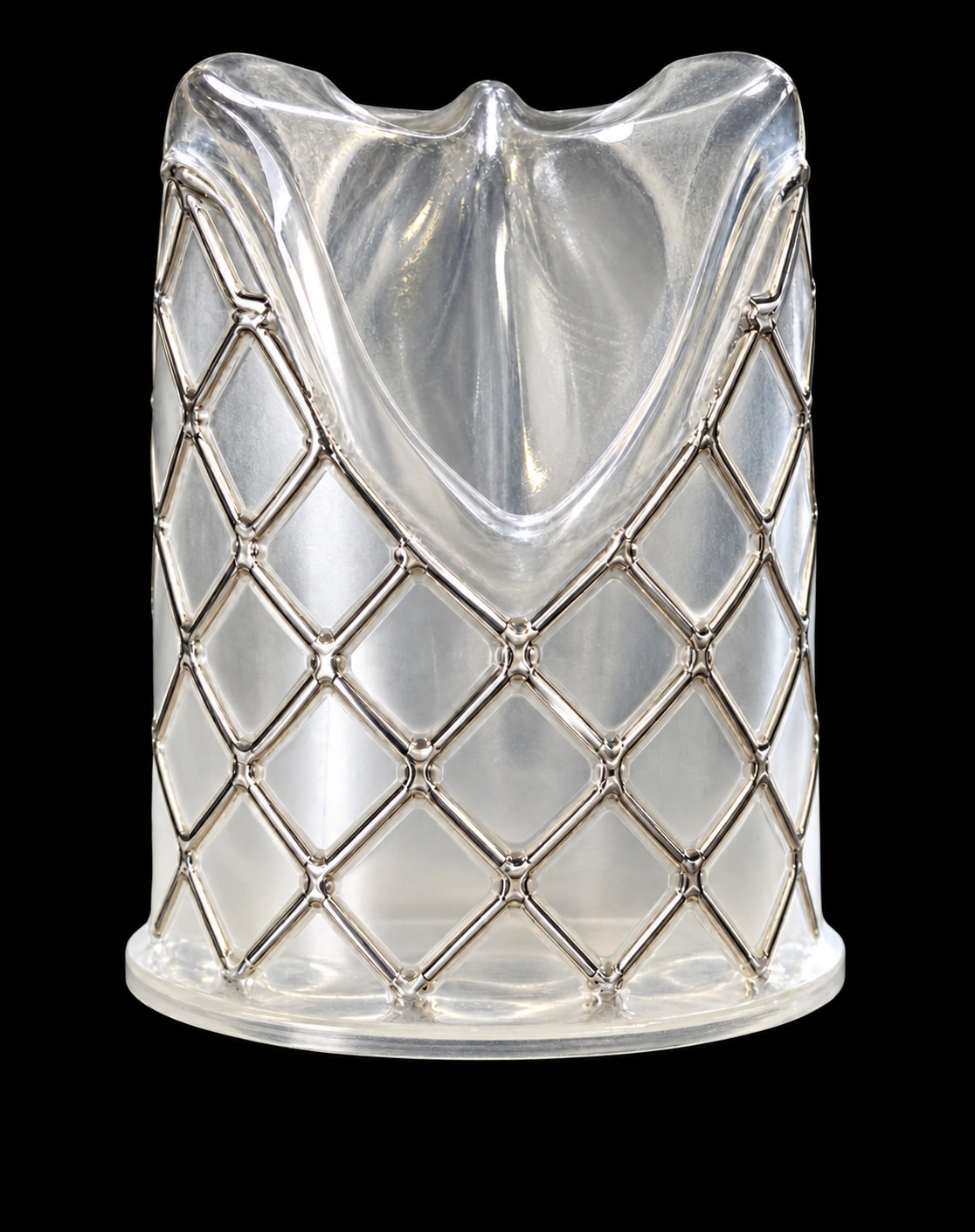
A cobalt-chromium stent architecture designed for controlled balloon expansion.
 PHTPolymeric Heart Technology
Heart valve innovation · Florida, USA
Polymeric Heart Technology is developing the Expandable Polyurethane Trivalve Stent, a pediatric heart valve prosthesis that unites polymer science, precision engineering, and transcatheter delivery.
FROM SCIENCE TO CLINICAL POSSIBILITY
01 / TECHNOLOGY
The Expandable Polyurethane Trivalve Stent integrates three flexible polyurethane leaflets with an expandable cobalt–chromium stent in a compact, balloon-expandable system.
A cobalt-chromium stent architecture designed for controlled balloon expansion.
Three medical-grade thermoplastic polyurethane leaflets engineered for flexibility and repeated cardiac cycles.
A valve platform under development for pulmonary and future aortic applications.
Platform architecture
A controlled interface between structure, leaflets, and delivery is central to the development program.
Cobalt–chromium stentLaser-cut expandable structure
Medical-grade TPUThin, flexible polymeric leaflets
Balloon catheterControlled delivery and expansion
THE VALVE IN MOTION
Expandable Polyurethane Trivalve Stent
The stent supports the leaflets. Balloon expansion is a separate procedure; the stent does not expand with each heartbeat.
Illustrative mechanism only. Geometry, leaflet motion, flow, and cycle timing are schematic and do not represent measured device performance. Investigational technology.
02 / PEDIATRIC FOCUS
PHT’s pediatric polymeric heart valve prosthesis combines three polyurethane leaflets with an expandable stent. Developed for pulmonary valve replacement, the concept is designed with growing hearts in mind.
PEDIATRIC GROWTH
One platform. Multiple diameters.
A balloon-expandable architecture conceived for controlled enlargement over time.
Focused on transcatheter pulmonary valve replacement for pediatric and congenital heart disease pathways.
The expandable cobalt–chromium frame is being engineered to accommodate planned increases in diameter as the patient grows.
The development goal is to reduce the burden of repeated valve replacement procedures while preserving future treatment options.
Investigational concept. Safety, performance, expandability, and clinical benefit must be established through preclinical and clinical evaluation and regulatory review.
03 / DEVELOPMENT
PHT is organizing the next phase of industrial, quality, regulatory, and clinical work around a controlled development pathway.
Historical development includes bench testing, fatigue evaluation, preclinical implantation, and explant analysis. All external claims remain subject to documented regulatory and scientific review.
DEVELOPMENT PATHWAY
Valve geometry, stent architecture, and polymer selection
Coating and molding process evaluation
Hydrodynamic, fatigue, and structural testing
Regulatory engagement and study planning
04 / COMPANY
SHT and PHT contribute distinct capabilities while preserving clear institutional roles in Brazil and the United States.
Scientific origin, historical research, and foundational technology in Brazil.
U.S. enterprise for development, industrialization, and future production.
05 / LEADERSHIP
Clinical experience, engineering, industrial development, and business execution come together around one mission.
 01
Founder · Clinical & Scientific Leadership
 02
Engineering & Industrial Development
 03
Business Development
Build the future with us
1905 Intermodal Circle, Suite 320
Palmetto, Florida 34221 · USA